
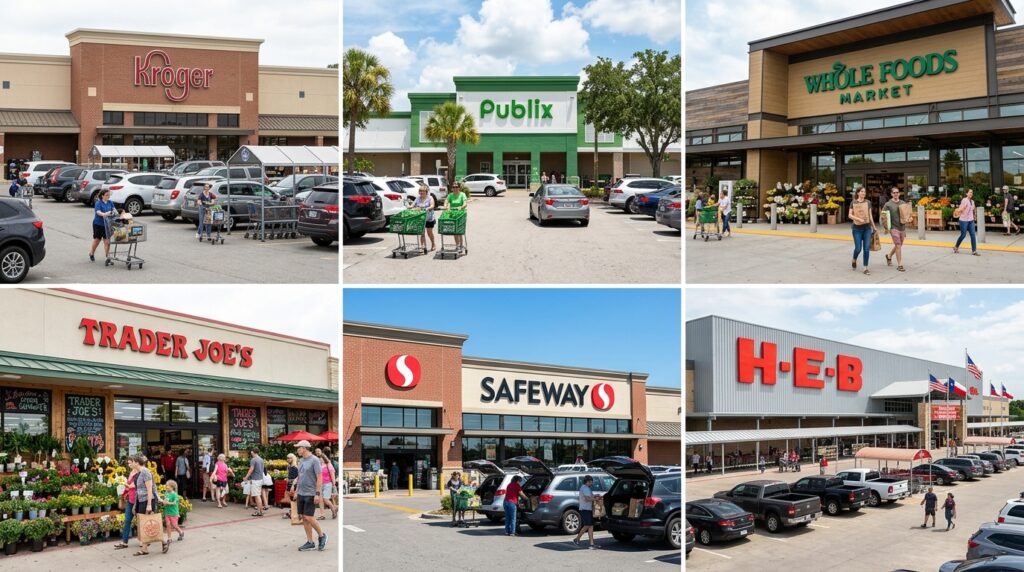

U.S. supermarket chains play an essential role in everyday American life. From neighborhood grocery stores to massive supermarkets offering thousands of products, these retailers make it convenient for millions of households to purchase food, beverages, household essentials, personal care products, and other everyday necessities. The American grocery industry is diverse, competitive, and constantly evolving to meet changing consumer expectations.
Whether shoppers are looking for affordable groceries, premium organic products, fresh produce, international ingredients, or convenient online ordering, U.S. supermarket chains offer a wide range of choices. Some retailers focus on low prices and efficient shopping experiences, while others emphasize product variety, customer service, specialty foods, and high-quality store brands.
Understanding the major supermarket chains in the United States can help consumers make informed shopping decisions. It also provides valuable insight into how grocery retailers operate, compete, and adapt to changing shopping habits.
This comprehensive guide explores the American supermarket industry, introduces some of its most recognizable grocery chains, examines their business models, and explains the factors that influence the future of grocery shopping.
Understanding the U.S. Supermarket Industry
The supermarket industry in the United States includes businesses that sell food and other household products through physical retail locations, online platforms, and delivery services. These retailers serve customers in large cities, suburban communities, and smaller towns across the country.
Unlike traditional neighborhood grocery stores, modern supermarkets generally offer a broader selection of products under one roof. Customers can purchase fresh fruits and vegetables, meat, seafood, dairy products, frozen foods, bakery items, canned goods, snacks, beverages, cleaning supplies, and personal care products during a single shopping trip.
Many supermarket chains also provide additional services, including pharmacy departments, prepared meals, digital coupons, loyalty programs, curbside pickup, and home delivery.
The industry includes several types of grocery retailers:
- Traditional supermarkets: Full-service grocery stores offering a broad selection of everyday food and household products.
- Discount supermarkets: Retailers that emphasize competitive pricing and operational efficiency.
- Warehouse grocery retailers: Membership-based stores selling groceries and household products in larger quantities.
- Premium supermarkets: Stores focusing on specialty foods, fresh products, organic selections, and higher-end shopping experiences.
- Regional supermarket chains: Grocery businesses that primarily serve particular states or geographic regions.
- Natural and organic grocery stores: Retailers specializing in organic, minimally processed, and health-conscious products.
These different formats allow consumers to select stores according to their budgets, dietary preferences, locations, and shopping habits.
Major U.S. Supermarket Chains
The United States has numerous supermarket chains with different business strategies and customer experiences. Some operate nationally, while others maintain strong positions in specific regions.
Here are several prominent grocery retailers that have helped shape the American supermarket landscape.
1. Walmart
Walmart is one of the most recognizable retail companies in the United States. Although it operates as a general merchandise retailer, groceries represent a major part of its business.
Its Walmart Supercenter locations combine traditional grocery departments with clothing, electronics, home products, pharmacy services, and other merchandise.
Customers can typically find fresh produce, packaged foods, meat, dairy products, frozen meals, beverages, and household essentials. Walmart is particularly popular among budget-conscious shoppers who want competitive prices and convenient access to a wide selection of products.
The retailer also invests heavily in digital shopping services, including grocery pickup and delivery in eligible locations.
2. Kroger
Kroger is one of America’s largest traditional supermarket operators. The company serves customers through multiple grocery banners and regional brands.
Its supermarket portfolio includes names such as Fred Meyer, Ralphs, King Soopers, Fry’s, Dillons, and Smith’s, depending on the market.
Kroger stores generally provide a comprehensive grocery shopping experience, with departments covering fresh produce, bakery products, meat, seafood, dairy, frozen foods, and household necessities.
The company also operates pharmacy services and offers digital coupons, loyalty rewards, and online grocery shopping options.
Kroger’s combination of national scale and regional supermarket brands makes it an important part of the American grocery industry.
3. Costco Wholesale
Costco is a membership-based warehouse retailer known for selling products in bulk. Although its business includes electronics, clothing, furniture, and other merchandise, groceries are among its most popular product categories.
Its grocery selection includes fresh meat, seafood, bakery products, dairy, snacks, beverages, frozen foods, and pantry essentials.
Costco is especially attractive to families, businesses, and customers who prefer purchasing larger quantities at competitive per-unit prices.
Its private-label brand, Kirkland Signature, is another important part of its retail strategy. The brand covers numerous grocery and household categories.
4. ALDI
ALDI has become a major name in the American discount grocery market. The retailer is recognized for its streamlined store layouts, carefully selected product ranges, and focus on affordable everyday shopping.
Many ALDI locations emphasize private-label products rather than carrying numerous competing national brands.
Customers can find fresh produce, dairy products, meat, frozen foods, snacks, pantry staples, and seasonal merchandise.
ALDI’s relatively simple store format helps reduce operating expenses, allowing the company to maintain its value-focused approach.
For shoppers interested in controlling grocery spending, ALDI is an important supermarket option.
5. Target
Target is a major American retail chain that combines general merchandise with grocery shopping.
Its stores offer a selection of fresh and packaged foods, beverages, snacks, frozen products, dairy items, and household essentials. Grocery availability and department size vary by location.
Target is known for its convenient shopping environment, recognizable private-label brands, and digital services.
Its grocery offerings complement other departments, making it possible for customers to purchase food alongside clothing, home products, beauty items, and everyday essentials.
6. Publix
Publix is a well-known supermarket chain with a particularly strong presence in the southeastern United States.
The retailer has developed a reputation for clean stores, fresh departments, customer service, and convenient shopping experiences.
Its product selection includes fresh fruits and vegetables, meat, seafood, dairy, bakery products, deli meals, and packaged groceries.
Publix is also recognized for its prepared foods and made-to-order sandwiches, which attract customers looking for convenient meal options.
Its regional identity and emphasis on customer experience have helped establish a loyal customer base.
7. Albertsons
Albertsons is an established American grocery retailer operating through several supermarket banners.
Its store brands include Albertsons, Safeway, Vons, Jewel-Osco, ACME Markets, Shaw’s, and other regional names.
The company offers a wide range of grocery products, including fresh produce, meat, seafood, bakery items, dairy products, frozen foods, and household necessities.
Many locations also feature pharmacies, deli departments, and digital shopping services.
Albertsons serves customers through a combination of traditional supermarkets and regional grocery brands.
8. Trader Joe’s
Trader Joe’s has developed a distinctive position in the American grocery market.
Rather than operating like a conventional supermarket with extensive national-brand selections, the company emphasizes its own branded products, specialty foods, frozen meals, snacks, and distinctive grocery items.
Its stores are popular with shoppers looking for interesting flavors, convenient prepared foods, and products that may be difficult to find in traditional supermarkets.
Trader Joe’s also maintains a relatively compact store format, creating a shopping experience that differs from larger grocery retailers.
9. Whole Foods Market
Whole Foods Market is widely associated with natural and organic grocery products.
The retailer offers fresh produce, organic foods, meat, seafood, dairy products, bakery items, prepared meals, and specialty grocery products.
Its selection is particularly appealing to customers who prioritize ingredient quality, organic certifications, and specialty food options.
Whole Foods Market operates under Amazon’s ownership and has continued to incorporate digital shopping and delivery services into its retail experience.
10. H-E-B
H-E-B is a major supermarket chain with a particularly strong presence in Texas.
The company is recognized for its extensive grocery selection, private-label products, fresh departments, and strong regional identity.
Its stores offer everything from everyday pantry staples to specialty foods, bakery products, prepared meals, meat, seafood, and household essentials.
H-E-B has also developed additional store concepts, including Central Market, which focuses on specialty and premium food products.
Its strong connection with Texas communities makes it one of the most recognizable regional supermarket brands in the country.
Other Notable Grocery Chains in the United States
Beyond the largest national and regional retailers, numerous supermarket chains serve important customer markets throughout the country.
Some additional names worth knowing include:
- Wegmans: A supermarket chain known for extensive product selections, prepared foods, and fresh departments.
- Meijer: A Midwest retailer combining grocery shopping with general merchandise.
- WinCo Foods: An employee-owned grocery retailer recognized for value-oriented pricing and bulk food departments.
- Giant Food: A supermarket chain serving customers primarily in the Mid-Atlantic region.
- Stop & Shop: A grocery retailer with a significant presence in the northeastern United States.
- Food Lion: A supermarket chain serving communities across the southeastern and Mid-Atlantic regions.
- Hy-Vee: A regional grocery retailer with a strong presence in the Midwest.
- ShopRite: A supermarket banner operating through independently owned and operated member stores.
- Sprouts Farmers Market: A grocery retailer emphasizing fresh produce, natural foods, and health-conscious products.
- Save A Lot: A discount grocery chain focused on affordable food and household essentials.
- Grocery Outlet: A value-focused retailer known for discounted and frequently changing product selections.
- Piggly Wiggly: A historic American supermarket brand with stores in several regional markets.
These businesses contribute to the variety and competitiveness of the American grocery market.
National vs. Regional Supermarket Chains
One of the most interesting characteristics of the U.S. supermarket industry is the balance between national retailers and regional grocery businesses.
National chains typically benefit from large distribution networks, extensive purchasing operations, and recognizable branding. Their size can help them negotiate with suppliers and invest in technology, logistics, and marketing.
Regional supermarket chains, however, often have a deeper understanding of local customers and community preferences.
For example, H-E-B has developed a strong position in Texas, Publix is especially prominent in the Southeast, and Wegmans maintains a recognizable presence in parts of the Northeast and Mid-Atlantic.
Regional retailers can differentiate themselves through locally preferred products, community involvement, and shopping experiences designed around the needs of their markets.
Both business models are important to the American grocery industry.
How U.S. Supermarket Chains Compete for Customers
Competition among supermarket chains is influenced by several important factors. Grocery retailers must provide value while maintaining product quality, operational efficiency, and customer satisfaction.
Pricing and Affordability
Price remains one of the most important considerations for grocery shoppers.
Customers frequently compare the cost of milk, eggs, bread, meat, produce, beverages, and packaged foods before deciding where to shop.
Discount retailers such as ALDI and WinCo Foods focus heavily on affordability. Larger retailers such as Walmart and Costco also compete through pricing strategies and purchasing efficiencies.
Supermarkets may use weekly promotions, digital coupons, loyalty discounts, and special offers to attract customers.
Product Variety
A broad product selection can make a supermarket more appealing.
Some customers prefer stores that carry many national brands, while others are interested in private-label products, international ingredients, organic foods, or specialty grocery items.
Retailers such as Whole Foods Market and Trader Joe’s differentiate themselves through specialized selections, while traditional supermarkets generally focus on serving a wider range of household needs.
Store Locations and Accessibility
Convenience is another important factor in supermarket competition.
Customers often prefer grocery stores close to their homes, workplaces, or regular travel routes.
Retailers consider population density, parking availability, neighborhood demographics, transportation access, and local competition when choosing new store locations.
Accessible locations can encourage repeat visits and help establish long-term customer relationships.
Customer Service
A positive shopping experience can influence customer loyalty.
Friendly employees, organized shelves, clean shopping areas, efficient checkout services, and responsive customer support all contribute to customer satisfaction.
Some supermarket chains also differentiate themselves through specialized services such as prepared meals, bakery departments, and custom deli orders.
Loyalty Programs and Digital Coupons
Many American supermarket chains use loyalty programs to encourage repeat purchases.
These programs may offer personalized discounts, digital coupons, fuel rewards, promotional pricing, and member-exclusive deals.
Customers can often access these benefits through mobile applications or online accounts.
Loyalty programs also help retailers understand purchasing patterns and develop more relevant promotions.
The Role of Private-Label Brands in American Supermarkets
Private-label products have become an important part of the grocery business.
These products are developed or marketed under a retailer’s own brand rather than a national manufacturer’s brand.
Examples include:
- Great Value at Walmart.
- Kirkland Signature at Costco.
- Simple Truth at Kroger.
- Good & Gather at Target.
- 365 by Whole Foods Market.
- Trader Joe’s branded grocery products.
- ALDI’s various exclusive product brands.
Private-label products cover a wide range of categories, including cereal, milk, snacks, frozen meals, cleaning supplies, canned vegetables, sauces, and personal care products.
They offer supermarkets an opportunity to differentiate their selections while giving customers additional choices at different price points.
For consumers, store brands can provide an alternative to nationally advertised products. However, quality, ingredients, and value vary by product, so comparing labels remains worthwhile.
Online Grocery Shopping and Home Delivery
Technology has significantly changed how Americans purchase groceries.
Many supermarket chains now provide online ordering through websites and mobile applications. Customers can browse products, add items to digital shopping carts, select pickup times, and arrange delivery where available.
Some retailers operate their own delivery systems, while others partner with third-party grocery delivery platforms.
Popular online grocery services include:
- Walmart Grocery pickup and delivery.
- Kroger online grocery shopping.
- Instacart-supported supermarket ordering.
- Amazon grocery delivery options.
- Target same-day delivery services in eligible markets.
Online grocery shopping is particularly useful for busy households, people with limited transportation, and customers who prefer planning purchases before visiting a store.
However, delivery fees, product substitutions, service availability, and minimum order requirements can vary.
Organic and Health-Focused Supermarket Shopping
Demand for organic, natural, and health-conscious grocery products has encouraged supermarket chains to expand their selections.
Many American grocery stores now offer organic fruits and vegetables, plant-based alternatives, gluten-free products, dairy-free beverages, whole grains, and foods designed for specific dietary preferences.
Whole Foods Market and Sprouts Farmers Market are particularly associated with natural and specialty grocery selections.
Traditional supermarkets have also expanded their organic departments to serve customers who want more choices without visiting specialty retailers.
When shopping for organic products, consumers should understand certification labels and distinguish between organic claims, natural marketing language, and verified product standards.
How to Choose the Right Supermarket Chain
The best supermarket depends on individual shopping priorities. Different stores provide different combinations of affordability, product variety, convenience, and customer experience.
Consider the following factors when selecting a grocery retailer.
1. Compare everyday prices.
Look at the cost of frequently purchased products rather than relying exclusively on advertised discounts.
2. Consider product availability.
Choose stores that regularly stock the brands, ingredients, and dietary products your household needs.
3. Evaluate location and convenience.
A nearby supermarket may save transportation costs and reduce the time required for routine shopping.
4. Review store-brand options.
Private-label products may provide useful alternatives to more expensive national brands.
5. Check digital services.
If online shopping matters to you, compare pickup availability, delivery coverage, fees, and ordering convenience.
6. Consider fresh food quality.
Pay attention to the condition of produce, meat, seafood, bakery items, and other perishable products.
7. Explore loyalty benefits.
Digital coupons and rewards may help reduce grocery expenses when used strategically.
A supermarket that offers the best overall value is not necessarily the cheapest store. It is the retailer that most effectively balances cost, quality, accessibility, and convenience.
Challenges Facing U.S. Supermarket Chains
Despite their importance, American grocery retailers face several ongoing business challenges.
Rising Operating Costs
Supermarkets must manage expenses associated with employee wages, electricity, refrigeration, transportation, rent, packaging, and distribution.
These costs can affect product pricing and profitability.
Food Waste Management
Fresh produce, dairy products, meat, and bakery items have limited shelf lives.
Retailers must carefully manage purchasing, inventory, storage, and product rotation to reduce unnecessary food waste.
Many grocery businesses use markdowns, inventory tracking, and food donation programs to address this challenge.
Supply Chain Disruptions
Supermarkets depend on complex supply networks involving farmers, manufacturers, distributors, warehouses, and transportation providers.
Weather events, transportation delays, labor shortages, and international disruptions can affect product availability.
Building resilient supply chains is therefore an important priority.
Changing Consumer Preferences
Customers increasingly expect convenience, product transparency, affordable prices, and a wider range of dietary choices.
Supermarkets must regularly review their product selections and services to remain competitive.
Competition from Online Retailers
Digital grocery services have introduced new competitors and changed consumer expectations.
Traditional supermarkets must invest in online platforms, efficient fulfillment operations, and delivery partnerships to remain relevant.
The Future of U.S. Supermarket Chains
The American supermarket industry will continue evolving as technology, customer preferences, and economic conditions change.
Several developments are likely to influence grocery shopping in the coming years.
Artificial intelligence and automation: Retailers are increasingly exploring technology for inventory management, demand forecasting, checkout operations, and personalized shopping experiences.
More convenient grocery services: Curbside pickup, scheduled delivery, and streamlined digital ordering are likely to remain important parts of supermarket operations.
Expansion of private-label products: Retailers may continue developing exclusive brands that combine competitive pricing with distinctive product offerings.
Greater focus on sustainability: Food waste reduction, responsible packaging, energy efficiency, and sustainable sourcing are becoming important business considerations.
Personalized shopping experiences: Loyalty programs and digital platforms can help supermarkets provide promotions and recommendations based on individual shopping preferences.
Improved fresh-food departments: Grocery chains may continue investing in produce, prepared meals, bakery products, and fresh food experiences to attract customers.
The most successful retailers will likely be those that combine operational efficiency with a clear understanding of what customers value.
Frequently Asked Questions About U.S. Supermarket Chains
1. What are the biggest supermarket chains in the United States?
Some of the most prominent grocery retailers include Walmart, Kroger, Costco, ALDI, Publix, Albertsons, Target, H-E-B, Trader Joe’s, and Whole Foods Market. Their store formats and geographic coverage differ.
2. Which U.S. supermarket chains are known for affordable groceries?
Walmart, ALDI, WinCo Foods, Costco, and Grocery Outlet are commonly associated with value-oriented grocery shopping. Actual savings depend on location, product selection, membership requirements, and current prices.
3. Which supermarket chains operate mainly in the United States?
Several grocery businesses have strong American identities and operate primarily in the domestic market. Examples include Publix, H-E-B, Wegmans, Meijer, Hy-Vee, and Food Lion.
4. What is the difference between a supermarket and a grocery store?
A grocery store generally sells food and everyday household products, while a supermarket typically offers a larger selection of grocery categories and additional departments. In everyday conversation, however, the terms are often used interchangeably.
5. Which U.S. supermarkets offer organic groceries?
Whole Foods Market, Sprouts Farmers Market, Trader Joe’s, Kroger, Publix, Walmart, and other major grocery retailers offer organic products. Availability and selection vary between stores.
6. Do American supermarket chains offer online grocery shopping?
Yes. Many large retailers provide online grocery ordering, pickup, and delivery services. Availability depends on the store location and local service coverage.
7. What are regional supermarket chains?
Regional supermarket chains are grocery retailers that concentrate their operations in specific geographic areas. Examples include H-E-B in Texas, Publix in the Southeast, and Wegmans in parts of the Northeast and Mid-Atlantic.
8. Why are private-label grocery brands popular?
Private-label brands give shoppers additional product choices and may offer competitive pricing. They also help supermarkets establish distinctive product identities and build customer loyalty.
Conclusion
U.S. supermarket chains are an essential part of the country’s retail economy and everyday consumer life. From large retailers such as Walmart and Costco to regional favorites such as Publix, H-E-B, and Wegmans, the American grocery market offers an extensive range of shopping experiences.
Each supermarket chain has its own strengths. Some focus on affordability, while others emphasize premium products, specialty foods, convenience, or personalized customer service.
As online grocery shopping, private-label products, sustainability initiatives, and digital technologies continue to develop, supermarket retailers will need to adapt to changing consumer expectations.
For shoppers, understanding the differences between grocery chains makes it easier to compare prices, find preferred products, and select convenient shopping destinations.
Ultimately, the variety of U.S. supermarket chains gives American consumers more opportunities to find grocery retailers that match their budgets, lifestyles, and everyday needs.