
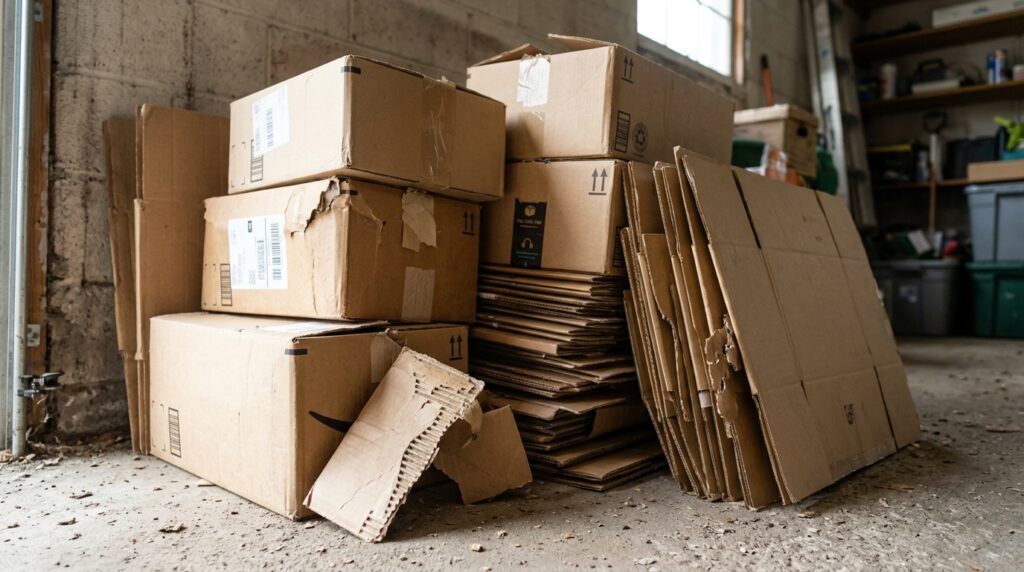

Everyday objects often have interesting stories behind them. Some are so common that people rarely stop to consider their purpose, materials, or importance. Pappedeckel is one such term. Originating from the German language, the word is associated with cardboard and paperboard products, particularly simple covers, lids, and protective pieces made from these materials.
Although it may sound like a specialized expression, Pappedeckel connects to familiar items found in homes, offices, restaurants, warehouses, shops, and manufacturing environments. From protective cardboard covers to packaging components, these practical products help keep items organized, covered, protected, and easier to handle.
As businesses and consumers increasingly look for affordable and environmentally responsible alternatives to plastic, cardboard-based products have become especially relevant. Their lightweight construction, versatility, and potential for recycling make them useful across numerous industries.
Understanding Pappedeckel involves more than translating a German word. It also means exploring the materials, manufacturing techniques, applications, and environmental considerations associated with cardboard covers and related paperboard products.
This article explains the meaning of Pappedeckel, its common applications, advantages, production methods, and growing relevance in modern packaging.
What Does Pappedeckel Mean?
Pappedeckel is a German compound word formed from two elements: “Pappe,” meaning cardboard or paperboard, and “Deckel,” meaning lid or cover.
Together, the term generally refers to a cardboard lid, paperboard cover, or similar covering component.
The precise meaning depends on the context in which the word appears. It may describe a removable cardboard lid for a container, a protective paperboard cover, or another flat cardboard component used to cover or separate objects.
In everyday German usage, related expressions may also refer to cardboard sheets, packaging pieces, or other products made from thick paper-based materials.
The term is particularly relevant when discussing packaging, storage, household products, and commercial applications.
Understanding the Difference Between Cardboard and Paperboard
To understand Pappedeckel properly, it helps to become familiar with the materials used to manufacture it.
Cardboard and paperboard are paper-based materials produced by processing wood fibers or recycled paper fibers. They are available in different thicknesses, densities, and structural qualities.
Although people sometimes use the terms interchangeably, paperboard generally describes thicker paper-based material, while cardboard is often used as a broader everyday term.
Common material characteristics include:
- Lightweight construction.
- Different levels of thickness and rigidity.
- Easy cutting and shaping.
- Printable surfaces.
- Compatibility with many packaging designs.
- Potential recyclability, depending on coatings and contamination.
The appropriate material depends on the intended application. A lightweight cover for a small container does not require the same structural strength as a protective component designed for industrial packaging.
Common Uses of Pappedeckel
Pappedeckel products can serve several practical purposes. Their versatility makes them suitable for both domestic and commercial environments.
1. Packaging and Product Protection
One of the most recognizable applications of cardboard covers is product packaging.
A cardboard lid can protect the contents of a container from dust, minor contact, and other external factors. It can also help maintain an organized packaging structure during transportation and storage.
Manufacturers use paperboard covers for products that require lightweight protective packaging.
Examples include:
- Gift boxes.
- Storage containers.
- Product presentation boxes.
- Retail packaging.
- Small household product packages.
- Stationery packaging.
The material can also be printed with product information, brand colors, instructions, and decorative designs.
2. Food Packaging
Paperboard materials are widely used in food packaging, including certain takeaway containers, bakery boxes, and disposable food packaging products.
Cardboard lids can help cover food containers and provide a convenient way to transport packaged meals.
However, food-contact applications require appropriate materials and coatings. Ordinary cardboard is not automatically suitable for direct contact with wet, oily, or hot foods.
Manufacturers must consider moisture resistance, grease resistance, food-contact requirements, and the conditions in which the packaging will be used.
3. Storage and Organization
Pappedeckel-style covers are also useful in storage systems.
Cardboard lids can help protect stored objects and keep containers looking neat. They are commonly associated with storage boxes used in homes, offices, classrooms, and commercial facilities.
Some typical applications include:
- Organizing documents.
- Storing photographs.
- Keeping craft materials together.
- Protecting seasonal decorations.
- Organizing household accessories.
- Storing small business inventory.
Their simple design makes them easy to incorporate into different storage arrangements.
4. Arts, Crafts, and Creative Projects
Cardboard is a popular material in creative activities because it is relatively inexpensive and easy to work with.
A cardboard cover can become part of a handmade project, decorative box, model, or educational activity.
Students, hobbyists, and artists often use paperboard materials for:
- Handmade gift packaging.
- School projects.
- Decorative displays.
- Miniature models.
- Scrapbooking.
- Creative storage solutions.
Pappedeckel products can also be painted, covered with fabric, decorated with paper, or printed with custom designs.
5. Commercial and Industrial Applications
In commercial environments, cardboard covers can serve as protective and organizational components.
Warehouses, retailers, manufacturers, and distribution businesses frequently use paperboard materials as part of their packaging systems.
Depending on their design, these components may help separate products, cover packages, reduce exposure to dust, or improve the presentation of stored goods.
Their practical value comes from their adaptability rather than from one specific industrial function.
How Are Pappedeckel Products Manufactured?
The production of cardboard lids and covers involves several stages. The exact process depends on the material, dimensions, intended use, and quality requirements.
Step 1: Selecting Raw Materials
Manufacturing begins with selecting suitable paper-based materials.
Producers may use virgin paper fibers, recycled fibers, or a combination of both. The choice influences the finished product’s appearance, strength, thickness, and surface characteristics.
Step 2: Preparing the Paperboard
The selected fibers are processed into paper-based sheets or boards.
During production, manufacturers control important characteristics such as thickness, density, moisture content, and surface quality.
These properties determine how well the finished cover performs.
Step 3: Cutting and Shaping
Once the paperboard is ready, it is cut into the required dimensions.
Depending on the design, manufacturers may use cutting, creasing, folding, pressing, or die-cutting techniques.
These processes allow flat sheets to become covers with specific shapes and dimensions.
Step 4: Printing and Finishing
Some Pappedeckel products are left in their natural cardboard appearance, while others receive additional finishing.
Common finishing options include:
- Printed logos.
- Product labels.
- Decorative patterns.
- Surface coatings.
- Laminated finishes.
- Custom colors.
The finishing method depends on appearance, durability, and functional requirements.
Step 5: Quality Inspection
Before distribution, manufacturers may inspect products for dimensional accuracy, structural consistency, surface defects, and overall quality.
For food packaging, additional checks may be necessary to verify compliance with relevant food-contact requirements.
The objective is to ensure that the finished cardboard cover performs as intended.
Benefits of Using Pappedeckel
Cardboard covers offer several advantages that explain their continued popularity.
Lightweight and Convenient
Paperboard products are generally lightweight, making them easier to transport, store, and handle than many heavier packaging alternatives.
This characteristic is especially valuable for businesses managing large quantities of packaged products.
Affordable Production
Cardboard is widely available, and many cardboard components can be manufactured using efficient production processes.
This makes simple covers and lids an economical option for manufacturers and consumers.
Flexible Design Possibilities
Paperboard can be cut, folded, shaped, printed, and customized.
Businesses can create covers in different sizes and styles to match specific packaging requirements.
Branding Opportunities
A cardboard cover can provide valuable printing space.
Companies can use this surface to display logos, instructions, product descriptions, promotional messages, and visual branding elements.
This turns a practical packaging component into an additional communication opportunity.
Potential for Recycling
Many uncoated paperboard products can enter established paper recycling streams.
However, recyclability depends on the material composition, coatings, adhesives, contamination, and local recycling facilities.
Choosing an appropriate design can help improve the environmental performance of cardboard packaging.
Pappedeckel and Environmental Sustainability
Sustainability has become an important consideration in modern packaging decisions.
Businesses are increasingly evaluating how packaging materials are sourced, manufactured, transported, reused, and disposed of.
Paperboard products can contribute to more responsible packaging strategies when they are designed and managed properly.
Recycled Materials
Using recycled paper fibers can reduce the demand for virgin raw materials.
It also supports the continued use of recovered paper within the packaging industry.
Nevertheless, recycled content must be balanced with the strength, cleanliness, and performance requirements of the finished product.
Reduced Dependence on Plastic
For certain applications, cardboard covers can replace plastic components.
This can be particularly useful when a package requires a simple protective lid or lightweight covering rather than a complex moisture-resistant barrier.
However, paperboard is not a universal replacement for plastic. Products exposed to significant moisture, grease, or demanding storage conditions may require specialized coatings or alternative materials.
Responsible Disposal
Consumers should follow local waste-management guidance when disposing of cardboard products.
Clean and dry paperboard is generally easier to recycle than material contaminated with food, grease, or incompatible substances.
Removing unnecessary plastic components and separating packaging materials where possible can also improve recycling outcomes.
Responsible Material Sourcing
The environmental impact of cardboard products begins before manufacturing.
Responsible sourcing, efficient production, reduced waste, and suitable recycling systems all contribute to better overall performance.
A sustainable packaging choice should consider the complete product lifecycle rather than relying on the material name alone.
Choosing the Right Pappedeckel Product
Selecting a suitable cardboard cover requires attention to several practical factors.
Material Thickness
Thickness affects the rigidity and durability of a cardboard cover.
Lightweight products may be suitable for simple packaging, while heavier contents may require thicker or more rigid paperboard.
Dimensions and Fit
A cover should match the dimensions of the container or product it is designed to protect.
An unsuitable fit can reduce its effectiveness and create difficulties during packaging or transportation.
Intended Application
Different uses require different material characteristics.
For example, a decorative box lid may prioritize appearance, while a food packaging cover may require additional moisture resistance and appropriate food-contact properties.
Printing Requirements
Businesses that want customized packaging should consider printing quality, color consistency, and surface compatibility.
A suitable paperboard surface can improve the finished appearance and support professional branding.
Environmental Requirements
Buyers should consider recycled content, available recycling options, coatings, and material certifications where relevant.
These details help determine whether a particular product supports the organization’s sustainability objectives.
Pappedeckel in Modern Packaging Trends
Packaging continues to evolve as consumer expectations, manufacturing technologies, and environmental standards change.
Cardboard covers remain relevant because they can adapt to many packaging designs without requiring complicated construction.
Several developments are influencing the market.
Minimalist Packaging
Many modern brands prefer clean and simple packaging designs.
A basic cardboard cover can support this approach by offering practical protection without unnecessary decorative elements.
Custom Packaging Solutions
Digital printing and improved cutting technologies have made customized packaging more accessible.
Businesses can develop cardboard covers that reflect their brand identity, product dimensions, and customer expectations.
E-Commerce Packaging
Online shopping has increased the importance of packaging that protects products during transportation.
Cardboard components can help organize package contents, cover products, and provide an additional protective layer.
The exact level of protection depends on the packaging design and the nature of the goods being shipped.
Circular Packaging Strategies
Companies are also exploring packaging systems that emphasize reuse, recycling, and reduced material consumption.
Cardboard covers can contribute to these strategies when they are designed with simple material combinations and compatible recycling requirements.
Challenges and Limitations of Cardboard Covers
Although Pappedeckel products offer many advantages, they also have limitations.
Understanding these limitations helps consumers and businesses choose suitable materials.
Moisture Sensitivity
Untreated cardboard can absorb water and lose some of its structural strength.
This makes ordinary paperboard unsuitable for certain wet environments.
Special coatings and treatments can improve resistance, but they may also influence recyclability.
Limited Structural Strength
Cardboard covers are not designed to withstand every type of pressure or impact.
Heavy products may require reinforced materials or additional protective packaging.
Wear and Tear
Repeated handling can cause bending, surface damage, or deformation.
For applications involving frequent use, manufacturers may need to select stronger materials or more durable construction methods.
Recycling Complications
Laminated, heavily coated, or contaminated paperboard may be difficult to recycle through standard systems.
Consumers and businesses should check local recycling rules rather than assuming that every cardboard-based product is recyclable in the same way.
Frequently Asked Questions About Pappedeckel
1. What is Pappedeckel?
Pappedeckel is a German term that generally refers to a cardboard lid, paperboard cover, or similar covering component. Its exact meaning depends on the context.
2. What does Pappedeckel mean in English?
The closest English translations are cardboard lid, cardboard cover, or paperboard lid.
3. What materials are used to make Pappedeckel?
These products are generally made from paperboard or cardboard manufactured using virgin paper fibers, recycled fibers, or a combination of both.
4. Where are cardboard covers commonly used?
They are used in packaging, storage boxes, retail products, food packaging, arts and crafts, and various commercial applications.
5. Are Pappedeckel products environmentally friendly?
They can be an environmentally responsible option when produced using suitable materials, designed efficiently, and properly recycled. Their overall impact depends on sourcing, manufacturing, coatings, transportation, and disposal.
6. Can cardboard covers be customized?
Yes. Manufacturers can produce cardboard covers in different sizes, shapes, colors, thicknesses, and printed designs.
7. Are cardboard lids suitable for food packaging?
Some specially manufactured paperboard lids are suitable for food packaging. However, the material must meet applicable food-contact requirements and provide appropriate protection against moisture and grease.
8. Can Pappedeckel be recycled?
Many clean and uncoated cardboard products can be recycled. Coatings, adhesives, food contamination, and local recycling rules can affect whether a specific product is accepted.
9. What is the difference between a cardboard lid and a cardboard sheet?
A cardboard sheet is generally a flat piece of material, while a cardboard lid is designed to cover a container or opening. A sheet may become a lid after cutting, folding, or shaping.
10. Why are cardboard covers popular?
Their affordability, lightweight construction, customization options, convenience, and potential recyclability make them useful across many industries.
Conclusion
Pappedeckel is a useful German term associated with cardboard lids, paperboard covers, and related protective packaging components. Although the word describes a relatively simple product, its applications extend across household organization, retail packaging, food containers, creative projects, and industrial operations.
The popularity of cardboard covers comes from their practical combination of affordability, flexibility, lightweight construction, and potential for recycling. They can be manufactured in different sizes and designs, customized with branding, and adapted to various packaging requirements.
At the same time, choosing the right product requires an understanding of material thickness, moisture resistance, structural strength, and disposal options.
As packaging continues to move toward more efficient and resource-conscious solutions, Pappedeckel and similar paperboard products are likely to remain useful components of everyday life and modern commerce.
Ultimately, their value lies in a simple idea: a carefully designed cardboard cover can provide practical protection, improve organization, support product presentation, and contribute to packaging systems that use materials more thoughtfully.