
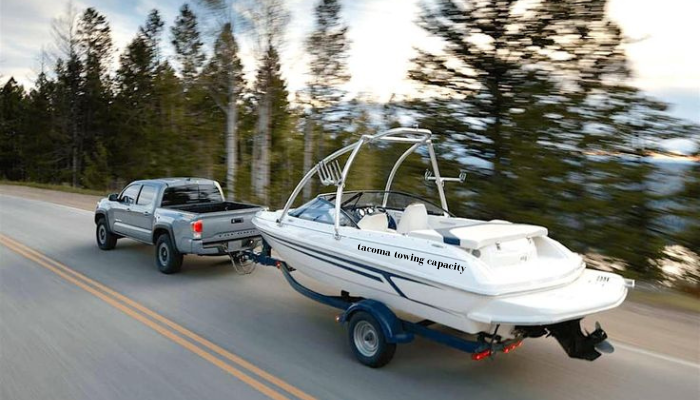

The towing capacity of your tacoma towing capacity isn’t just a number printed in your owner’s manual. It represents the culmination of engineering decisions, material choices, and safety considerations that Toyota’s engineers have carefully calculated. More importantly, it reflects the real-world limits of what your vehicle can safely manage without causing damage to your truck or putting yourself and others at risk on the road.
Tacoma towing capacity owners are surprised to learn that towing capacity varies significantly depending on when their truck was manufactured, which engine they chose, what transmission they selected, and even which drive system they opted for. This means two Tacomas sitting side by side on a dealership lot could have substantially different towing capacities. Understanding these differences helps you make informed decisions about what equipment to pull and how to prepare your truck for the job ahead.
Understanding Your Tacoma’s Towing Capacity Numbers
Toyota engineers calculate towing capacity by considering multiple interconnected systems. Your engine’s horsepower and torque output form the foundation of this calculation. The transmission must be able to handle the additional strain of pulling extra weight. Your suspension system needs the strength to support both the truck’s weight and the trailer’s load. Your braking system must be capable of stopping the combined weight effectively. Finally, your frame and structural components must be engineered to handle the stresses involved in towing.
When Toyota publishes a towing capacity number, they’re providing a conservative estimate that accounts for these various systems working together. This means the number represents a safe threshold, not a challenge to be overcome. Exceeding your truck’s towing capacity doesn’t just void warranties or risk mechanical failure. It can actually compromise your safety and the safety of other drivers sharing the road with you.
How Engine Selection Impacts Towing Ability
Your Tacoma’s engine choice plays a fundamental role in determining how much your truck can tow. Modern Tacomas typically come with either a 2.7-liter four-cylinder or a 3.5-liter V6 engine, though some older models featured different powerplant options.
The difference between these two engines becomes most apparent when you’re accelerating on hills while pulling a loaded trailer. The four-cylinder must work harder to maintain speed and momentum, which increases engine strain and fuel consumption. The V6 handles similar situations more easily, delivering power more smoothly and maintaining better composure when climbing grades. Over the course of a long towing trip, many owners find the V6 offers a more comfortable and less taxing experience.
Transmission Type and Towing Capacity Considerations
Your Tacoma’s transmission significantly influences its towing capacity in ways that many truck owners overlook. Toyota has offered both manual and automatic transmissions across different Tacoma generations, and these transmissions have varying towing capacities.
Transmission coolers and upgraded cooling systems can improve your truck’s towing performance regardless of which transmission type you own. If you plan to tow regularly or in demanding conditions, upgrading to a transmission cooler helps maintain optimal fluid temperatures, reduces strain on the transmission, and can extend the lifespan of this critical component.
Four-Wheel Drive Versus Two-Wheel Drive Towing Performance
The choice between four-wheel drive and two-wheel drive affects more than just your off-road capability and winter weather performance. This decision also impacts your truck’s towing capacity in subtle but meaningful ways.
In practical terms, if you live in an area with significant winter weather or plan to tow in off-road environments, the four-wheel drive system’s benefits likely outweigh the small decrease in towing capacity. Conversely, if you primarily tow on paved roads in moderate climates, the weight savings of two-wheel drive might help you stay comfortably within your truck’s towing limits while carrying heavier loads.
Tacoma Generation Differences and Capacity Changes
Toyota has produced Tacomas for multiple generations, and towing capacities have evolved considerably over the years. Understanding how your Tacoma’s generation affects its towing ability helps set realistic expectations for your truck.
First and second generation Tacomas, produced through the early 2000s, had significantly lower towing capacities than modern versions. Many of these trucks could tow between 2,400 and 3,500 pounds, reflecting the engineering standards and regulatory requirements of that era. Owners of older Tacomas should never assume their trucks can handle the towing capacities listed for newer models.
When determining your specific Tacoma’s towing capacity, always consult your owner’s manual or the manufacturer’s label rather than relying on general estimates. Your truck’s production year, engine choice, transmission type, and drive system configuration all combine to determine your specific vehicle’s capabilities.
Safety Equipment and Towing Readiness Essentials
Knowing your Tacoma’s maximum towing capacity represents only part of the equation. Properly equipping your truck and ensuring it’s ready for towing is equally important for safe operation.
Trailer brakes become increasingly important as the trailer weight approaches and exceeds 50 percent of your truck’s gross vehicle weight rating. Electric brakes or hydraulic surge brakes help distribute the braking effort between your truck and trailer, improving overall stopping power and reducing stress on your truck’s braking system. Many owners upgrading to heavier trailers discover that adding trailer brakes dramatically improves their truck’s towing experience and safety.
Tire pressure and condition deserve special attention before towing trips. Your Tacoma’s tires should be inflated to the maximum pressure listed on the door jamb label, not the pressure listed on the tire sidewall. Overloaded or under-inflated tires can overheat and potentially fail while towing, so checking your tires before every towing excursion makes practical sense.
Calculating Payload and Actual Towing Limits
Many Tacoma owners focus exclusively on towing capacity while overlooking payload capacity, but these two numbers work together to determine what your truck can safely handle.
Your Tacoma’s gross vehicle weight rating, or GVWR, represents the maximum total weight your truck can safely carry. This includes the truck itself, passengers, cargo, and any fluids or equipment. When you add cargo or passengers to your truck, you’re reducing the remaining weight available for towing.
In this scenario, your truck’s practical towing capacity might be lower than the published number because you’ve consumed payload capacity. Some owners have to choose between carrying passengers and towing the maximum allowable weight. Understanding this relationship helps you make realistic plans for what your Tacoma can handle in real-world situations.
Making Smart Towing Decisions with Your Tacoma
Respecting your Tacoma’s towing capacity protects your investment and keeps you safe on the road. Toyota engineers have carefully calculated these numbers based on extensive testing and real-world conditions. Staying within your truck’s specifications ensures you’re operating within the parameters for which your vehicle was designed.
Before purchasing a trailer or committing to a towing job, calculate your actual needs against your truck’s capabilities. Many owners discover they can accomplish their goals with trailers lighter than their truck’s maximum capacity, which provides safety margin and reduces strain on components. This conservative approach extends your truck’s lifespan and provides peace of mind.
Read Also: Tacoma Towing Capacity Guide for Owners