
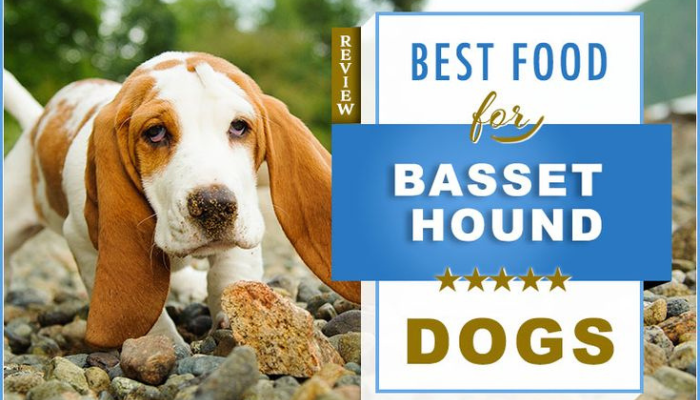

Dog food for basset hound are a distinctive breed with particular nutritional requirements that differ from many other dogs. These short-legged, long-bodied canines have a slow metabolism and a natural tendency toward weight gain. If you’ve ever watched a basset hound waddle after a treat, you know how food-motivated they can be. This makes choosing the right dog food one of the most important decisions you’ll make as a basset hound owner.
When you’re selecting food for your basset hound, you need to think beyond just filling their bowl. You’re making a choice that affects their energy levels, coat quality, digestive health, and overall longevity. The right food supports their immune system, maintains their ideal weight, and keeps those long ears healthy. It’s an investment in their quality of life and your peace of mind.
Identifying Key Nutritional Components for Basset Hounds
Every basset hound needs a foundation of essential nutrients, but bassets require some special considerations. High-quality protein should be the cornerstone of any basset hound diet. These dogs have moderate energy needs, so they require somewhere between 18 and 25 percent protein for adults, though puppies need more. Look for named meat sources like chicken, beef, or fish rather than vague “meat meals” or by-products.
Joint support ingredients deserve special attention. Glucosamine, chondroitin, and omega-3 fatty acids support joint health and mobility. Given the breed’s susceptibility to joint problems, foods containing these ingredients provide preventive care that can spare your basset from pain and expensive veterinary treatments down the road.
Calcium and phosphorus ratios are important for maintaining strong bones that support their unique body structure. These minerals need to be in proper balance. Too much or too little of either one can contribute to skeletal problems, particularly in puppies whose bones are still developing.
Choosing Between Dry, Wet, and Fresh Food Options
The market offers several food formats, each with distinct advantages for basset hounds. Dry kibble remains the most popular choice, and for good reason. It’s convenient, economical, and helps promote dental health through the mechanical action of chewing. Quality dry foods for basset hounds should be dense and nutritious, allowing you to feed appropriate portions without overfeeding.
Fresh and raw diets have gained popularity, but they require careful research and sometimes veterinary guidance. If you’re interested in fresh feeding, consult your veterinarian to ensure the diet meets your basset hound’s complete nutritional profile. Homemade diets require particular attention to balance all necessary nutrients properly.
Many owners find that combining formats works best. Using quality kibble as the foundation and occasionally adding fresh vegetables or a small amount of wet food creates variety while maintaining nutritional balance. Your basset hound’s preferences and your lifestyle both matter when making this decision.
Managing Weight Through Proper Portions and Treats
Portion control might be the single most important factor in keeping your basset hound at a healthy weight. These dogs will eat as much as you offer them, regardless of whether they’re actually hungry. Their sad, droopy eyes and soulful expression make begging incredibly effective, but you have to resist those puppy dog eyes for their own wellbeing.
Feeding schedules matter too. Most adult basset hounds thrive on two meals daily rather than free-feeding. This structure helps with portion control and weight management. Puppies need more frequent meals, typically three to four times daily until about six months old, then gradually transitioning to adult schedules.
Understanding Age-Specific Feeding Requirements
Basset hound puppies have completely different nutritional needs than adults. During their first year, puppies are building bones and muscles, so they need more calories, more protein, and particularly more calcium and phosphorus. Look for foods labeled for large breed puppies, as these formulas have appropriate mineral ratios to support proper skeletal development.
As your basset ages, regular veterinary checkups become even more important. Your vet can recommend when to transition from adult to senior food and whether supplements might be beneficial for joint health or mobility.
Reading Labels and Understanding Dog Food Quality Indicators
Learning to read dog food labels helps you make informed decisions about what goes in your basset hound’s bowl. Ingredients are listed by weight, so ingredients at the beginning of the list comprise the bulk of the food. Look for named meat sources rather than vague terms like “meat by-products” or “animal by-products.”
Research the manufacturer’s quality control practices. Companies that conduct feeding trials and maintain rigorous testing standards typically produce higher-quality products. Don’t hesitate to contact manufacturers with questions about their products. Reputable companies are transparent about their practices and ingredient sourcing.
Addressing Common Digestive and Health Issues
Bloat, or gastric torsion, is a serious concern for deep-chested breeds like basset hounds. While food choice alone doesn’t prevent bloat, feeding smaller meals more frequently, avoiding vigorous exercise immediately after meals, and choosing foods that don’t expand excessively in the stomach can reduce risk. Never use elevated feeders, as research suggests they may increase bloat risk in susceptible breeds.
Ear infections plague many basset hounds, and sometimes diet plays a role. Omega-3 fatty acids support skin and ear health. Foods rich in fish oil or flaxseed often improve ear and skin conditions in bassets prone to these problems.
Making the Transition to New Food
Changing your basset hound’s food requires patience and gradual transition. Sudden diet changes often cause digestive upset, so mix old and new food over a one to two week period. Start with about 75 percent old food and 25 percent new food for the first few days, then gradually shift the ratio.
Watch your basset’s response during the transition. Their stool should remain firm, and they shouldn’t develop vomiting or excessive gas. If problems develop, slow the transition process even more or consult your veterinarian about alternative options.
It takes several weeks for a dog’s digestive system to fully adjust to new food, so don’t judge a new food’s effectiveness immediately. Wait at least three to four weeks to see improvements in coat condition, energy, or digestive health.
Final Thoughts on Your Basset Hound’s Nutrition
Choosing the best food for your basset hound is one of the most loving decisions you can make as an owner. The right nutrition supports their unique breed needs, maintains their ideal weight, and helps prevent the health problems that plague bassets when overweight. Take time to research options, read labels carefully, and work with your veterinarian to customize nutrition for your individual dog. Your basset hound’s tail wags and healthy years ahead are worth the effort.