
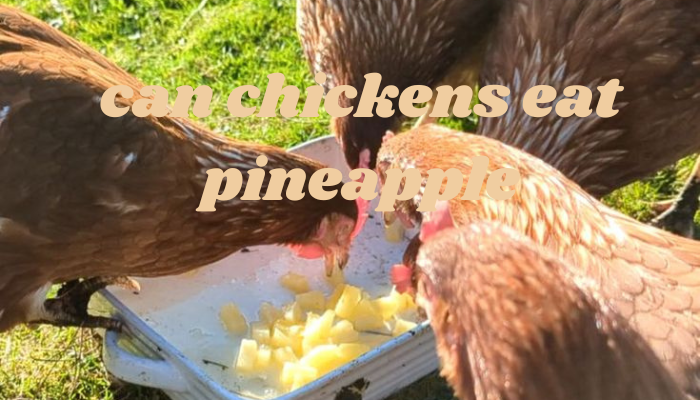

When you’re raising backyard chickens, one of the most common questions that comes up is what treats are safe to offer your birds. If you’ve got pineapple on the counter or growing in your garden, you might wonder if your feathered friends can enjoy it too. The answer is yes, chickens can definitely eat pineapple, but like most things in poultry care, there are important details worth understanding.
Your chickens have specific nutritional requirements that need to be met through their primary diet. Layer feed or grower feed should make up the bulk of what your birds consume, providing the proteins, minerals, and vitamins they need to stay healthy and productive. Treats, including pineapple, can supplement this diet but shouldn’t replace the foundation of proper nutrition.
Nutritional Benefits of Pineapple for Chickens
Pineapple brings several nutritional advantages to your chicken’s diet when offered appropriately. Fresh pineapple is primarily composed of water, which helps keep your birds hydrated, particularly during warm weather months. This high water content can be especially valuable during summer when your flock needs extra hydration.
The fruit contains meaningful amounts of vitamin C, which supports immune system function in chickens. While chickens can synthesize their own vitamin C, additional amounts don’t hurt and may provide extra support during stressful periods like molting, extreme weather, or when introducing new birds to the flock.
The natural sugars in pineapple make it appealing to chickens and can serve as an excellent motivational treat during training or when you’re trying to build trust with a more skittish bird. Many backyard chicken keepers find that offering pineapple brings their flock running, making it a valuable tool for bonding with your animals.
How to Properly Prepare Pineapple for Your Chickens
Preparation is where most chicken keepers need to focus their attention when offering pineapple to their flock. The tough, spiky exterior of the fruit needs to be completely removed before offering it to your birds. Those sharp leaves and fibrous skin can cause injuries to their mouths and digestive tract if ingested.
Start by cutting away the entire crown and base of the pineapple. Remove the tough outer skin completely, ensuring no rough edges remain. You’ll want to remove the eyes as well by cutting diagonal lines along the fruit’s length to create a spiral pattern that eliminates any remaining skin. Fresh pineapple is always preferable to canned varieties when possible.
You can serve the prepared pineapple in several ways. Some keepers chop it into bite-sized pieces that chickens can peck at easily. Others freeze chunks of fresh pineapple during hot months, creating a refreshing treat that also helps cool your birds down. Some people hang sections from strings in the coop to create enrichment and encourage natural foraging behavior.
Appropriate Serving Sizes and Frequency
While pineapple is safe for chickens, moderation remains important. Treats should make up no more than ten percent of your flock’s daily caloric intake. For most backyard chickens, this means offering pineapple once or twice per week rather than daily.
Consider timing your pineapple treats strategically. Offering treats in the afternoon or early evening ensures your birds still have plenty of appetite for their main feed. You want your chickens to consume their nutritionally complete layer feed or grower feed as the primary part of their diet throughout the day.
Potential Risks and Considerations
Although pineapple is generally safe for chickens, a few potential concerns deserve attention. The high acidity of pineapple, particularly the bromelain enzyme, could theoretically cause slight irritation if very large quantities were consumed. This is one reason moderation matters so much with this fruit.
Overweight or obese chickens should have can chickens eat pineapple offered less frequently than active birds. The natural sugars, while not excessive, do contribute calories, and birds already struggling with weight management need calories controlled carefully to prevent health complications like fatty liver disease.
Birds with known digestive sensitivities might need a more limited approach to pineapple. If your chickens have recently recovered from illness, experienced digestive upset, or have a history of dietary sensitivity, introduce pineapple gradually or skip it entirely in favor of milder treats.
Fresh Pineapple Versus Other Forms
Fresh pineapple is always your best choice when offering this fruit to chickens. You control the preparation, you know exactly what’s in it, and you can ensure proper ripeness and quality. Look for pineapples with firm bodies, fragrant aroma, and golden coloring to indicate proper ripeness.
Dried pineapple is generally not recommended for backyard flocks. The concentrated sugar content becomes problematic, and the texture can present choking hazards. Stick with fresh pineapple as your primary option.
Pineapple juice is too concentrated in natural sugars and doesn’t provide the same benefits as eating the whole fruit. A small amount mixed into water during extremely hot weather might provide hydration and interest, but it shouldn’t be a regular practice.
Enrichment and Behavioral Benefits
Beyond nutrition, pineapple can serve important can chickens eat pineapple purposes for your flock. Chickens need mental stimulation and opportunities to engage natural behaviors like pecking, foraging, and exploring. Offering pineapple in creative ways enhances their environment and quality of life.
Hanging pineapple chunks on strings from the coop roof encourages your birds to jump and peck upward, providing physical activity. Freezing pineapple chunks and offering them on hot days gives your birds something interesting to work with while helping them cool down naturally. Placing chunks among bedding materials encourages foraging behavior that keeps birds mentally engaged.
These enrichment activities are particularly valuable during seasons when chickens spend more time in the coop. Winter months or periods of bad weather present excellent opportunities to offer pineapple in enriching ways that keep your flock stimulated and happy.
Making Pineapple Part of Your Treat Rotation
Variety in treats keeps your chickens interested and helps ensure they receive a broader range of nutrients. Rather than offering the same treat repeatedly, rotate through different safe options including pineapple, watermelon, berries, leafy greens, cooked squash, and other chicken-safe foods.
A diverse treat rotation also helps prevent boredom and behavioral problems that can arise when chickens lack environmental enrichment. Each different treat brings different flavors, textures, and nutritional profiles that keep mealtimes interesting for your flock.
Document what treats your birds seem to enjoy most. Over time, you’ll develop a personalized treat schedule that balances nutritional value, your birds’ preferences, and the seasonal availability of different foods. Pineapple works particularly well as a summer treat when the fruit is readily available and your flock appreciates the hydration and cooling effects.
Final Thoughts on Pineapple and Your Flock
Chickens can safely enjoy pineapple as an occasional treat when it’s properly prepared and offered in appropriate quantities. This tropical fruit provides hydration, vitamins, and enrichment opportunities that can contribute to your flock’s overall health and happiness.
The key to success is remembering that treats should supplement, not replace, your birds’ regular feed. Maintain focus on providing quality layer feed or appropriate grower feed as the foundation of your chickens’ diet. Use pineapple and other treats as occasional additions that add variety and interest to your birds’ lives.
Read Also: Can Chickens Eat Pineapple: A Complete Guide