
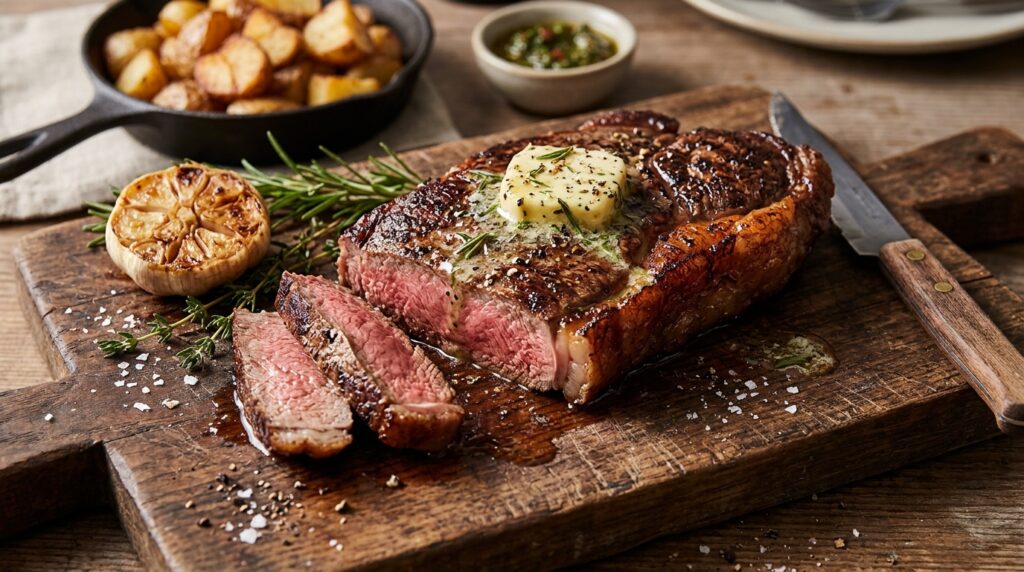

Picanha is one of the most celebrated beef cuts in Brazilian cuisine. Known for its rich flavor, tender texture, and distinctive layer of fat, this popular steak has earned recognition among barbecue enthusiasts, professional chefs, and meat lovers around the world. Whether served at a traditional Brazilian steakhouse or prepared on a backyard grill, picanha offers a delicious experience that combines simplicity with exceptional taste.
Although it has become increasingly popular internationally, picanha has deep roots in Brazilian food culture. It is especially associated with churrasco, the traditional Brazilian barbecue style in which seasoned meat is cooked over an open flame or hot charcoal. Its natural marbling and protective fat cap help create a juicy interior and a beautifully browned exterior.
For anyone exploring different beef cuts, learning about picanha is an excellent starting point. Understanding where it comes from, how to identify it, and which cooking methods work best can make a significant difference in the final result.
This guide explores everything worth knowing about picanha, from its origin and characteristics to preparation techniques, serving suggestions, and frequently asked questions.
What Is Picanha?
Picanha is a premium beef cut taken from the top portion of the rump, near the rear of the animal. In the United States, it is commonly known as the top sirloin cap, rump cap, or coulotte steak. It is particularly recognizable because of its thick layer of fat covering one side.
Unlike some expensive steak cuts that depend heavily on intramuscular marbling, picanha develops much of its flavor from its external fat cap. During cooking, this fat gradually renders, helping keep the meat moist while contributing a rich, savory flavor.
The cut is especially popular in Brazil, where it is traditionally seasoned with coarse salt and grilled over charcoal. This straightforward preparation allows the natural flavor of the beef to remain the main attraction.
Picanha is generally triangular in shape and is often sold as a whole roast or divided into individual steaks. Its combination of beefy flavor, manageable cooking time, and attractive presentation makes it suitable for both casual meals and special occasions.
Where Does Picanha Come From?
Picanha comes from the rump region of the cow, specifically the area above the round and near the top sirloin. It is associated with the biceps femoris muscle and its surrounding fat covering.
This part of the animal performs regular movement, which contributes to the meat’s distinctive structure and flavor. However, when properly trimmed and cooked, picanha can be pleasantly tender.
The cut is particularly important in Brazilian culinary traditions. Brazilian barbecue restaurants often feature it as one of their signature offerings, serving freshly grilled portions directly to diners.
Although picanha is strongly associated with Brazil, similar cuts are available in other countries under different names. Understanding these naming differences can help shoppers find the correct cut when visiting a butcher or supermarket.
Why Is Picanha So Popular?
Picanha has become internationally recognized because it offers a combination of flavor, texture, versatility, and relatively straightforward preparation.
Several characteristics explain its popularity.
1. Rich and Distinctive Flavor
One of the biggest reasons people enjoy picanha is its naturally rich beef flavor. The fat cap adds depth and savory character, particularly when exposed to high heat.
As the fat renders, it helps create a delicious contrast between the crispy exterior and juicy interior.
2. A Naturally Protective Fat Cap
The thick layer of fat is one of picanha’s defining features. Rather than removing all the fat before cooking, many traditional preparations leave it intact.
This layer protects the meat from excessive direct heat and contributes to the overall flavor. When cooked properly, the outside becomes golden and slightly crisp.
3. Excellent for Grilling
Picanha is particularly well suited to grilling. Its shape and fat distribution make it an excellent choice for charcoal barbecue, gas grilling, and open-flame cooking.
It can be prepared as individual steaks or cooked whole as a roast.
4. Simple Seasoning Requirements
Traditional Brazilian picanha does not require complicated marinades. Coarse salt is often enough to highlight the beef’s natural characteristics.
However, cooks can experiment with black pepper, garlic, herbs, and other seasonings according to personal preference.
5. Versatile Serving Options
Although grilling is the traditional preparation method, picanha can also be cooked in an oven, skillet, or air fryer.
This versatility makes it accessible to home cooks who do not have access to a traditional barbecue setup.
Picanha vs. Other Beef Cuts
Understanding how picanha compares with other popular beef cuts can help consumers decide whether it suits their preferences.
Picanha vs. Ribeye
Ribeye is famous for its substantial intramuscular marbling. This gives it a buttery texture and rich flavor.
Picanha, on the other hand, relies more heavily on its external fat cap for flavor and moisture. Ribeye is generally softer because of its marbling, while picanha offers a firmer bite and a distinctive beefy taste.
Picanha vs. Sirloin
Sirloin is a broad category that includes several cuts from the loin area. It is generally leaner than picanha, depending on the specific portion.
Picanha is often considered more flavorful because of its fat covering. Both cuts are suitable for grilling, pan-searing, and other cooking methods.
Picanha vs. Tri-Tip
Tri-tip is another popular beef cut taken from the bottom sirloin region. It has a triangular shape and is often prepared as a roast.
Although both cuts can be grilled whole, they are not the same. Picanha comes from the top sirloin area and is traditionally identified by its prominent fat cap.
Picanha vs. Tenderloin
Tenderloin is exceptionally tender because it comes from a muscle that performs relatively little work. It is leaner and has a milder flavor than picanha.
Picanha offers a more pronounced beef taste and a different texture, making it appealing to people who prefer flavorful grilled meat.
How to Identify Authentic Picanha
Choosing the correct cut is essential for preparing an authentic picanha meal.
When shopping, look for the following characteristics:
Distinctive triangular shape: Traditional picanha usually has a recognizable triangular or slightly crescent-like shape.
Thick fat cap: A visible layer of white or creamy fat should cover one side of the meat.
Deep red color: Fresh beef should generally have a natural red appearance, although the exact shade can vary depending on packaging and oxygen exposure.
Consistent thickness: A reasonably even thickness helps the meat cook more consistently.
Appropriate weight: Whole picanha cuts commonly weigh around 2 to 3 pounds, although sizes vary depending on the animal and butcher’s trimming practices.
When buying picanha in the United States, ask your butcher for a whole top sirloin cap with the fat cap intact. This description can help prevent confusion with other sirloin cuts.
How to Cook Picanha
Cooking picanha does not need to be complicated. The most important factors are selecting a good-quality cut, seasoning it appropriately, controlling the cooking temperature, and allowing the meat to rest before slicing.
Below are several popular ways to prepare this Brazilian favorite.
Traditional Brazilian Churrasco
Churrasco is one of the most traditional ways to prepare picanha.
The meat is often cut into thick steaks, seasoned with coarse salt, folded into a curved shape, and threaded onto long metal skewers.
The skewers are placed over hot charcoal, allowing the exterior to develop a flavorful crust while the inside remains juicy.
As the meat cooks, the fat cap gradually renders and adds flavor. Individual portions can be sliced directly from the skewer and served immediately.
Grilled Picanha Steaks
Grilling individual picanha steaks is a convenient option for home cooks.
Start by cutting the whole picanha across its width into steaks approximately 1 to 1.5 inches thick. Keep the fat cap attached.
Season both sides with coarse salt and allow the meat to sit briefly while the grill heats.
Place the steaks over direct heat to develop a browned exterior. Turn them as needed to achieve even cooking, then move them to indirect heat if necessary to finish cooking without burning the outside.
Use a meat thermometer to monitor the internal temperature and achieve your preferred doneness.
Oven-Roasted Picanha
Oven roasting is an excellent alternative when outdoor grilling is unavailable.
Begin by preheating the oven to approximately 400°F (200°C).
Season the picanha generously with salt and black pepper. Place it in a roasting pan with the fat side facing upward.
Roast until the center reaches your preferred temperature. Cooking time depends on the roast’s size and thickness, so a reliable meat thermometer is more useful than relying entirely on a fixed time.
For additional browning, briefly use the broiler at the end of cooking while monitoring carefully to prevent burning.
Allow the roast to rest before slicing.
Pan-Seared Picanha
A heavy skillet, preferably cast iron, works particularly well for smaller picanha steaks.
Heat the skillet until hot, then place the steak with the fat side facing down. Allow some of the fat to render before searing the other sides.
Cook until a flavorful crust develops, adjusting the heat to prevent excessive smoking or burning.
If the steak is particularly thick, finish it in a moderately heated oven.
Pan-searing creates an appealing crust and allows the meat to develop excellent flavor without requiring an outdoor grill.
The Best Temperature for Cooking Picanha
The correct internal temperature depends on personal preference and food-safety considerations.
For whole cuts of beef, the USDA recommends cooking to a minimum internal temperature of 145°F (63°C), followed by a resting period of at least three minutes.
Some traditional steak preparations use lower temperatures for medium-rare results, but these are below the USDA’s recommended minimum for whole cuts.
Use a food thermometer inserted into the thickest part of the meat to check its temperature accurately. Avoid relying exclusively on appearance or cooking time.
Should You Remove the Fat Cap From Picanha?
Generally, the fat cap should remain attached when preparing traditional picanha.
This layer is one of the cut’s most important characteristics. It contributes flavor, helps protect the meat during grilling, and develops an appealing texture when properly rendered.
However, some cooks prefer to trim excessive fat if the layer is unusually thick.
The goal is to maintain enough fat to preserve the character of the cut without creating excessive flare-ups during grilling.
For traditional Brazilian-style preparation, leaving the fat cap intact is usually the preferred approach.
What Seasoning Is Best for Picanha?
One of the most appealing aspects of picanha is that it does not require complicated seasoning.
Coarse Sea Salt
Coarse salt is the traditional choice for Brazilian churrasco. It enhances the beef’s natural flavor and helps create a well-seasoned exterior.
Black Pepper
Freshly ground black pepper adds mild heat and a pleasant aromatic quality.
Garlic
Garlic provides a savory dimension that works particularly well with roasted or pan-seared picanha.
Fresh Herbs
Rosemary and thyme can complement the beef’s rich flavor, especially when preparing the cut in an oven.
Chimichurri
Chimichurri is a flavorful sauce made with ingredients such as parsley, garlic, vinegar, oil, and herbs. Although it is more closely associated with Argentine cuisine, it pairs beautifully with grilled picanha.
For an authentic Brazilian experience, start with salt alone and experiment with additional seasonings after discovering the meat’s natural flavor.
What to Serve With Picanha
Picanha pairs well with a variety of side dishes. Traditional Brazilian accompaniments are particularly enjoyable because they balance the richness of the beef.
Popular options include:
Farofa: Toasted cassava flour seasoned with ingredients such as butter, onions, and herbs.
Brazilian rice: Lightly seasoned rice provides a simple foundation for the meal.
Feijão: Brazilian-style beans add texture, protein, and comforting flavor.
Vinagrete: A fresh Brazilian tomato and onion salad with vinegar and herbs provides acidity that complements the meat.
Grilled vegetables: Zucchini, peppers, onions, and asparagus make excellent additions.
Potato salad: A creamy or herb-based potato salad offers a satisfying contrast to grilled beef.
Garlic bread: Crispy bread with garlic butter is another popular barbecue accompaniment.
Combining picanha with fresh vegetables, rice, and traditional Brazilian sides creates a balanced and satisfying meal.
Is Picanha a Healthy Choice?
Picanha is a source of high-quality protein and provides several important nutrients.
Like other beef cuts, it contains nutrients that support normal body functions.
These include:
- Protein: Helps maintain and repair body tissues.
- Iron: Supports oxygen transport in the blood.
- Zinc: Contributes to immune function and normal cellular processes.
- Vitamin B12: Supports nerve function and red blood cell production.
- Selenium: Plays a role in antioxidant defense and thyroid function.
However, picanha also contains saturated fat, particularly when the fat cap is consumed.
Its overall nutritional profile depends on portion size, trimming, cooking method, and accompanying foods.
For a balanced diet, consider serving moderate portions alongside vegetables, beans, and whole grains.
How to Store Picanha Properly
Proper storage helps maintain the quality and safety of fresh beef.
Refrigerating Fresh Picanha
Keep fresh raw picanha refrigerated at 40°F (4°C) or below.
According to USDA guidance, raw steaks and roasts generally keep for three to five days in the refrigerator.
Store the meat in its original packaging if unopened, or place it in a sealed container to prevent contact with other foods.
Freezing Picanha
Picanha can be frozen successfully when packaged properly.
Wrap it tightly in freezer-safe packaging or use a vacuum-sealed bag to minimize exposure to air.
For best quality, use frozen beef steaks and roasts within approximately four to twelve months.
Storing Cooked Picanha
Refrigerate leftover cooked picanha within two hours of preparation.
Store it in an airtight container and consume it within three to four days.
When reheating, make sure the leftovers reach 165°F (74°C).
Common Mistakes to Avoid When Cooking Picanha
Even a premium beef cut can lose its appeal if prepared incorrectly.
Here are several mistakes worth avoiding.
Removing all the fat: Cutting away the entire fat cap removes an important source of flavor and protection.
Overcooking the meat: Excessive heat and cooking time can make picanha dry and less enjoyable.
Cutting in the wrong direction: Slicing against the grain helps create a more tender eating experience.
Skipping the resting period: Allowing the meat to rest after cooking helps retain moisture.
Using too many seasonings: Heavy marinades and excessive spices can overpower the natural beef flavor.
Ignoring temperature control: Very high heat throughout the entire cooking process can burn the fat before the center is properly cooked.
Avoiding these mistakes makes it easier to achieve consistently delicious results.
Is Picanha Worth Buying?
For people who appreciate flavorful beef, picanha is certainly worth considering.
It offers a distinctive combination of natural beef flavor, a satisfying texture, and a rich fat covering. It is also versatile enough for traditional charcoal grilling, indoor cooking, and oven roasting.
Although pricing varies by location, grade, and butcher, picanha can provide an excellent alternative to some of the more familiar premium steak cuts.
Its appeal is not limited to professional chefs or Brazilian restaurants. Home cooks can prepare excellent picanha with relatively simple ingredients and basic cooking equipment.
The key is understanding the cut and respecting its natural characteristics.
The Cultural Importance of Picanha in Brazil
Picanha represents more than just a popular beef cut in Brazilian cuisine. It is closely connected to the country’s social dining traditions.
Brazilian churrasco is often associated with family gatherings, celebrations, weekends, and special occasions. Food is prepared slowly, shared generously, and enjoyed in a relaxed atmosphere.
In traditional churrasco restaurants, known as churrascarias, servers may bring large skewers of freshly grilled meat directly to the table. Diners can enjoy different cuts, including picanha, while experiencing a distinctive style of Brazilian hospitality.
The popularity of picanha reflects the importance of barbecue in Brazilian food culture.
Today, Brazilian-style steakhouses and barbecue restaurants have introduced this cut to international audiences, making it increasingly familiar to meat enthusiasts worldwide.
Frequently Asked Questions About Picanha
1. What type of meat is picanha?
Picanha is a beef cut taken from the top portion of the rump, near the top sirloin. It is commonly known as rump cap, top sirloin cap, or coulotte in some markets.
2. Is picanha the same as sirloin?
Not exactly. Picanha is a specific cut from the top sirloin region. Sirloin refers to a larger section of beef that includes several different cuts.
3. Why does picanha have a fat cap?
The fat cap is a natural layer of fat covering the outside of the cut. It contributes flavor, helps protect the meat during cooking, and can develop a delicious browned exterior.
4. Is picanha tender?
Yes, picanha can be tender when properly prepared. Correct slicing against the grain and avoiding overcooking are important for achieving a pleasant texture.
5. What is the best way to cook picanha?
Traditional Brazilian churrasco is one of the most popular methods. However, grilling individual steaks, oven roasting, and pan-searing are also excellent options.
6. What does picanha taste like?
Picanha has a rich, beefy flavor with a savory quality that comes from its distinctive fat cap. Its texture is satisfying and slightly firmer than highly marbled cuts such as ribeye.
7. Is picanha expensive?
The price varies depending on location, beef quality, availability, and butcher. It is often considered a premium cut, but its cost can be competitive with other popular steaks.
8. Can picanha be cooked without a grill?
Absolutely. A cast-iron skillet, conventional oven, or air fryer can all be used to prepare picanha. The cooking method should be adjusted according to the thickness of the meat.
9. Should picanha be sliced before or after cooking?
Both methods are possible. Traditional churrasco often involves slicing the meat into steaks before grilling, while whole-roast preparations are generally sliced after cooking and resting.
10. What is the difference between picanha and coulotte?
Coulotte is a name commonly used in North American markets for the top sirloin cap cut. It generally refers to the same or a very similar cut known as picanha in Brazil.
11. Can you marinate picanha?
Yes. Although traditional Brazilian preparation often uses only coarse salt, picanha can be marinated with garlic, herbs, olive oil, and other ingredients. Simple seasoning is usually best for appreciating its natural flavor.
12. How should you slice picanha?
For maximum tenderness, identify the direction of the muscle fibers and slice across the grain. This shortens the muscle fibers and makes each bite easier to chew.
Final Thoughts: Why Picanha Deserves a Place on Your Grill
Picanha has earned its reputation as one of Brazil’s most beloved beef cuts for good reason. Its rich flavor, distinctive fat cap, and versatility make it an excellent choice for traditional barbecue and modern home cooking.
Whether prepared over charcoal, roasted in the oven, or seared in a cast-iron skillet, this cut offers a satisfying combination of flavor and texture. Its relatively simple preparation also makes it approachable for beginners while providing plenty of opportunities for experienced cooks to refine their techniques.
For anyone interested in exploring Brazilian cuisine, picanha is an excellent place to start. Pair it with traditional sides, use simple seasonings, and pay attention to cooking temperature and slicing direction.
Ultimately, the appeal of picanha comes from its ability to turn a straightforward piece of beef into a memorable meal. It is a wonderful example of how quality ingredients, thoughtful preparation, and a shared dining experience can create something truly special.
SEO Content Summary
- Primary keyword: Picanha
- Search intent: Informational
- Content type: Comprehensive informational pillar article
- Target audience: Beef lovers, barbecue enthusiasts, home cooks, and people exploring Brazilian cuisine
- Related entities: Brazilian churrasco, churrascaria, top sirloin cap, rump cap, coulotte, farofa, vinagrete, Brazilian barbecue
- Suggested URL slug:
/picanha/ - Suggested image alt text: Fresh Brazilian picanha beef steak with a golden grilled fat cap
- Recommended schema: Article and FAQPage (where eligible under applicable search engine guidelines)